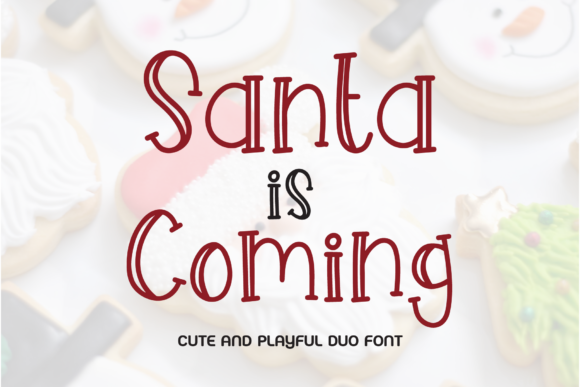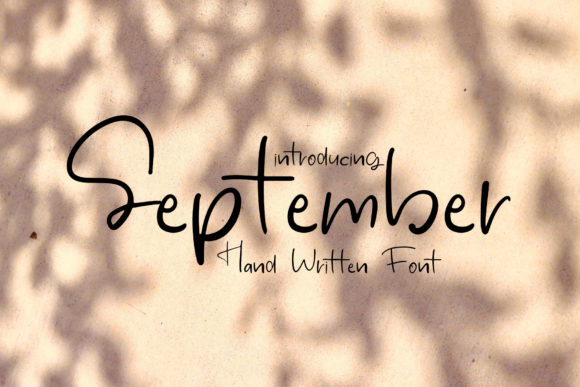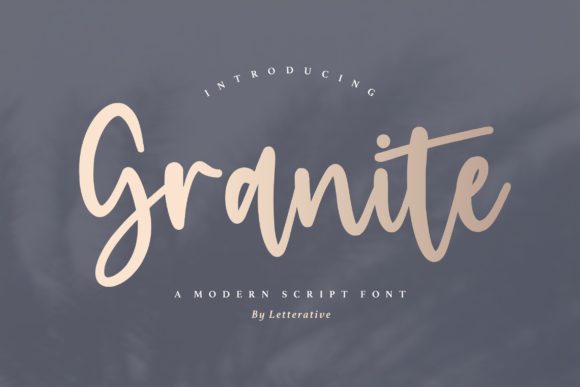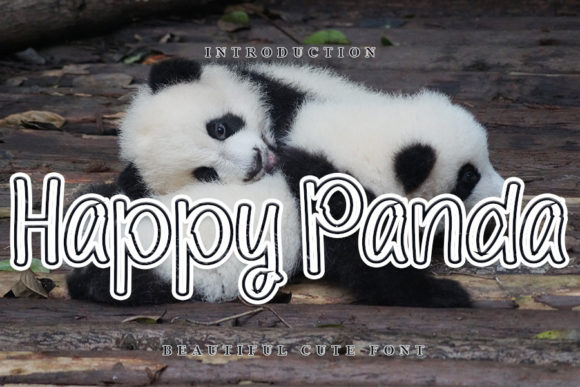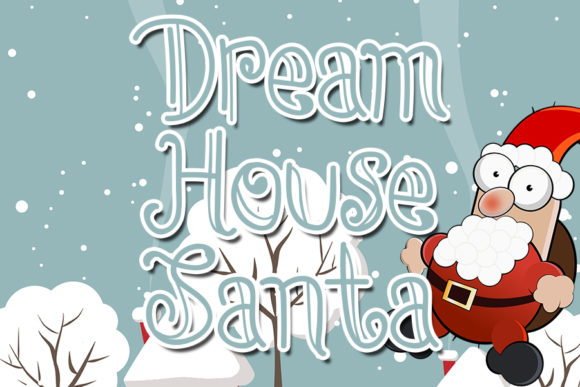
Dream House Santa: The Gentle Handwritten Font for Elegant Projects
If you've ever searched for a font that feels both personal and polished, Dream House Santa might be the answer. It's a digital font that captures the charm of delicate handwriting, but with the consistency and clarity you need for professional and creative work. Unlike many script fonts that can feel overly dramatic or difficult to read, Dream House Santa strikes a balance: it’s sweet and stylish without being fussy.
Where Dream House Santa Finds Its Home
This font isn't meant for every line of text in a legal document or a technical manual. Its power lies in application as an accent. Think of it as the typographic equivalent of a beautifully crafted piece of jewelry—it elevates the core content by adding a point of focused elegance. The places where it shines are often the touchpoints where emotion and connection are paramount.
For Creators and Small Business Owners
Imagine you're a baker preparing your website for the holiday season. Using a standard, rigid font for your "Christmas Cookie Box" headline might feel corporate. Swapping it for Dream House Santa instantly infuses that headline with warmth and a handmade feel, suggesting the care put into each batch. This subtle shift can make your offerings feel more personal and inviting. Similarly, a freelance photographer might use Dream House Santa on their contact page or in the titles of their client welcome packets. It softens the professional interface, suggesting a collaborative and attentive working relationship rather than a purely transactional one.
For product-based businesses, this font excels on labels and tags. A maker of natural soaps or hand-poured candles can use Dream House Santa for the product name on their label. It reinforces the artisanal quality of the item itself. On social media graphics announcing a new product or a seasonal sale, the font catches the eye with its graceful curves, differentiating your post from the stream of bold, blocky text commonly used in ads.
In Personal Projects and Celebrations
Life's special moments often call for a softer tone. Dream House Santa is a natural choice for creating custom wedding invitations, where its romantic touch aligns perfectly with the event's sentiment. It can be used for the couple's names or key details, paired with a more readable font for practical information. Beyond weddings, think of birthday party invites for a loved one, a personalized "thank you" card after a dinner party, or even the headings in a family recipe book you're compiling as a gift. These are projects where the aesthetics communicate care as much as the words themselves.
Bloggers and hobbyists sharing personal stories or craft tutorials can use the font to create engaging title graphics for their posts or YouTube videos. A blog post titled "My Grandma's Knitting Patterns" gains an extra layer of nostalgic authenticity with a Dream House Santa header. It sets a visual tone that draws the reader into the personal narrative before they even start the article.
What to Consider Before Using Dream House Santa
While its applications are wide, a few practical considerations will help you use Dream House Santa effectively. First, remember its nature: it’s a delicate script. This means it works best at larger sizes for headlines, titles, logos, and short phrases. Using it for long paragraphs or small body text will compromise readability and dilute its elegant effect.
Pairing it well is crucial. Dream House Santa needs a strong partner. Look for simple, clean sans-serif or serif fonts for your body text, captions, and secondary information. This pairing creates a clear hierarchy—the delicate script draws attention to the most important emotional element, while the supporting font ensures everything is easy to digest. A mismatch, like pairing it with another ornate script, can create visual chaos.
Also, consider the medium. Dream House Santa renders beautifully in digital formats and high-quality print. On low-resolution prints or in very small digital badges, its fine details might not shine as intended. Always test your design in the final format to ensure the elegance translates as you expect.
The Outcome: More Than Just Pretty Letters
Choosing a font like Dream House Santa is a design decision with psychological impact. In a marketplace and a digital world saturated with bold, impersonal type, a gentle handwritten style signals humanity. For a customer, it can feel like a direct, thoughtful invitation. For a reader, it can make content feel more intimate and trustworthy. For a celebration, it visually honors the warmth of the occasion.
This is why it appeals not just to graphic designers, but to entrepreneurs, educators making classroom materials, marketers crafting a campaign with a personal angle, and anyone creating something where feeling is part of the message. It moves a project from simply informing to subtly connecting.
Real Scenarios Across Different Fields
Let’s look at a few more concrete situations. An online educator creating a course about creative writing might use Dream House Santa for the course title and module headers. It immediately associates the learning experience with artistry and expression, setting a tone that inspires students.
A lifestyle blogger sharing a post about "Finding Quiet Moments in a Busy World" uses the font for the featured image title. The gentle curves of the letters visually mirror the concept of quiet and gentleness they're writing about, creating a cohesive sensory experience for the reader.
Even in internal business communications, there are smart applications. A company championing a new wellness initiative for staff could use Dream House Santa on the presentation title slide for the launch workshop. It subtly departs from the usual corporate typography, signaling that this topic is about personal care and is approached with a different, more compassionate mindset.
Ultimately, Dream House Santa is a tool for emotional resonance. Its sweetness isn’t childish; it’s refined. Its delicacy isn’t fragile; it’s intentional. By applying it to the pivotal moments in your designs—the headlines, the names, the invitations, the labels—you harness that intentionality to make your projects feel not just seen, but felt.