Anatalya: A Contemporary Handwritten Font for Distinctive Design
When searching for a typographic asset that combines artistry with versatility, handwritten fonts often emerge as compelling candidates. Among these, Anatalya occupies a distinct space. It is an exquisite handwritten font, masterfully designed to balance classic calligraphic elegance with a modern, fresh sensibility. Understanding its characteristics, how it compares within the broader category of script fonts, and where its strengths lie can help designers, marketers, and creatives determine if it aligns with their project needs.
The Defining Characteristics of Anatalya
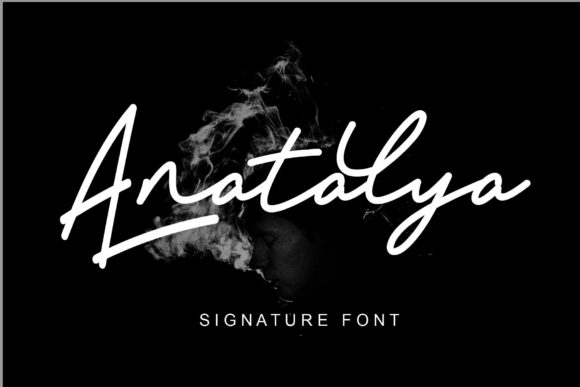
Anatalya is not merely a digital imitation of handwriting; it is a crafted typeface built upon calligraphic principles. Its strokes exhibit a natural flow and variation that echo traditional penmanship, with subtle thick-and-thin transitions that lend it a organic feel. What sets Anatalya apart, however, is its contemporary execution. While many script fonts lean heavily into either ornate historical revival or overly casual, playful styles, Anatalya maintains its classy influences without feeling antiquated or whimsical. The letterforms are carefully balanced, offering sufficient legibility for longer passages while retaining the decorative charm expected of a script font.
This balance is a key distinction. In practical terms, Anatalya often avoids the extreme flourish of formal scripts that can limit readability and application, as well as the overly simplified, uniform appearance of some modern casual scripts that lack character. It sits in a pragmatic middle ground, making it a versatile choice for projects that require a touch of elegance without sacrificing a clean, current aesthetic.
Comparing Handwritten Fonts: Context and Tradeoffs
Evaluating Anatalya requires considering the wider landscape of handwritten and script typefaces. Generally, these fonts fall into several informal categories: formal scripts (highly ornate, with complex ligatures), casual scripts (simpler, often mimicking everyday handwriting), and contemporary scripts (which blend traditional elements with modern design sensibilities). Anatalya firmly belongs to the latter group.
When compared to more formal script alternatives, Anatalya typically offers greater flexibility. Formal scripts can be powerful for specific applications like luxury branding or wedding invitations, but their complexity often restricts use to short headlines or decorative elements. Anatalya, with its tempered elegance, can often extend to subheadings, brief paragraphs, or logo text without overwhelming the layout. Conversely, when compared to very casual, rounded, or minimalist handwritten fonts, Anatalya brings a higher degree of sophistication and intentional craft. It may not suit projects aiming for a vibe of effortless, informal doodling, but it excels where a designed, polished handwritten look is desired.
A practical tradeoff to consider is versatility versus specificity. Some handwritten fonts are designed with a very narrow, strong personality—perhaps aggressively quirky or delicately romantic. Anatalya’s personality is refined but adaptable. This can be a strength for projects needing a font that complements rather than dominates the visual narrative. However, for a project whose core identity demands an unmistakably bold, quirky, or vintage handwritten voice, a more specialized font might be a better fit.
Strengths and Potential Limitations
The core strengths of Anatalya stem from its balanced design. Its contemporary freshness makes it relevant for modern digital interfaces, contemporary branding, and current editorial design, while its calligraphic roots ensure it doesn't feel sterile or generic. It can bridge contexts, potentially working well for a boutique wellness brand’s website, a creative agency’s presentation, or the packaging for an artisanal product. The font’s legibility at various sizes is another functional advantage over many script alternatives.
Potential limitations are contextual. While Anatalya is versatile, it is inherently a decorative font. It would not be an appropriate primary choice for dense body text in a long report or a highly technical interface where clarity and neutral readability are paramount. Its character also leans towards elegance and craft; it may not convey the raw, urgent energy desired for certain youth-oriented campaigns or the stark, minimalist aesthetic of some tech brands. Furthermore, as with most quality script fonts, effective use often requires thoughtful pairing with a neutral sans-serif or serif font for supporting text elements.
Determining When Anatalya Is the Right Choice
Identifying the best-fit situations for Anatalya involves evaluating your project’s goals and audience. Consider this font when your project requires:
- A human touch with professionalism: Initiatives that need to feel personal, crafted, or artistic, but also credible and polished. Examples include independent consultant branding, creative portfolio sites, or high-end culinary blogs.
- Elegance without antiquity: Projects where a sense of luxury or refinement is important, but a classic, old-world feel would be mismatched. Modern jewelry brands, contemporary stationery lines, or upscale event websites might find Anatalya aligns well.
- Decorative typography that remains functional: When you need a script for prominent display text (headlines, logos, pull quotes) that will also be used in accompanying short descriptions or captions, requiring reasonable readability.
Realistic application examples include using Anatalya for the main logo and section headlines on a website for a custom furniture maker, paired with a clean sans-serif for all body text. Alternatively, it could be employed for titling on a series of minimalist poster designs for a photography exhibition, where its artistic flair enhances the visual theme without competing with the imagery.
When to Explore Other Font Options
Anatalya may not be the optimal selection if your project’s core communication needs are fundamentally different. Explore other categories of fonts when:
- Ultimate neutrality and clarity are primary: For functional documents, lengthy articles, or data-heavy applications, a proven serif or sans-serif font should form the foundation of your typography.
- A specific, strong handwritten personality is central to the brand: If the identity calls for something dramatically playful, aggressively grungy, or unmistakably vintage, a script font with a more pronounced character in that direction would be more appropriate.
- Budget or licensing constraints are a major factor: While this article doesn't address specific commercial terms, it’s always prudent to evaluate the licensing model of any font, including Anatalya, against your project’s scale and distribution needs. Free or more broadly licensed alternatives might be necessary for some scenarios.
The decision often hinges on whether the handwritten aesthetic is a supporting element or the dominant voice. Anatalya excels as a sophisticated supporting element or a balanced dominant voice for certain brands. If the handwritten font needs to be the overwhelmingly dominant, stylistic centerpiece with a very defined trait, other options might serve better.
Key Decision Factors for Creatives
Making an informed choice involves weighing several factors beyond simple aesthetics. First, assess the functional legibility required for your intended use cases. Test Anatalya at the sizes and weights you plan to use, especially for any text beyond a headline. Second, consider font pairing. A successful design will likely combine Anatalya with a complementary typeface; explore how it harmonizes with simple, neutral fonts you already use or intend to use. Third, evaluate the emotional tone conveyed. Does Anatalya’s blend of classic and contemporary evoke the precise feeling you aim for with your audience? Compare its impression side-by-side with other leading candidates.
Finally, think about longevity and versatility across your projects. If you are selecting a font for a brand that will be used across multiple mediums and for years, a versatile font like Anatalya, which avoids fleeting trends, can be a sound investment. For a one-time project with a very specific, temporary theme, a more niche font could be perfectly suitable.
Conclusion: A Tool for Elevated Projects
Anatalya represents a thoughtful option within the handwritten font genre. Its masterful design, which respects calligraphic tradition while embracing a contemporary feel, makes it a candidate worth serious consideration for projects aiming to blend artistry with modernity. It is not a universal solution, and its value becomes clear when matched with the right context—projects that benefit from elegant, legible, and fresh decorative typography. By understanding its distinct position relative to other script styles, its practical strengths, and the scenarios where it shines or may not fit, designers and decision-makers can confidently evaluate whether Anatalya is the resource that will help bring their particular projects to the highest levels of visual communication.