Melissa: A Brushstroke of Personality
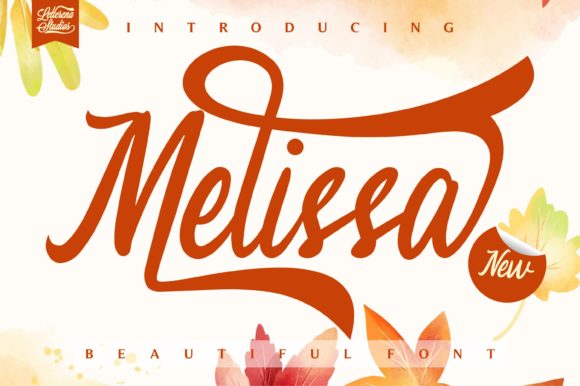
Imagine capturing the raw energy of a brushstroke and freezing it into a font—that's the essence of Melissa, an assertive handwritten typeface that brings authentic painterly texture directly into your digital workflow. In a world saturated with polished, geometric fonts, Melissa stands out as a tool for injecting genuine human touch and creative flair into any project. Its creation with a physical paintbrush is key; it translates that organic, variable pressure and fluid movement into a digital asset, offering designers a unique bridge between analogue craft and modern visual design.
Why Melissa Resonates in Modern Visual Design
Modern graphic design often seeks to balance professionalism with personality. Melissa excels here, providing the visual impact of hand-crafted art while maintaining the usability and scalability required for professional branding and digital marketing. It’s a font that doesn’t just communicate words; it communicates an attitude—confident, creative, and approachable. This makes it incredibly versatile for strengthening brand identity across numerous applications, from a startup’s logo to a global campaign’s social media graphics.
Building a Brand with Character
For logo design and core brand identity, Melissa can serve as a powerful primary or secondary typeface. Its assertive strokes create strong visual hierarchy, ensuring your brand name stands out. When paired with a complementary color palette and clean supporting imagery, it establishes a memorable and cohesive look. It’s particularly effective for brands in creative industries, lifestyle sectors, or any business wanting to project an ethos of handmade quality and individual expression.
Practical Applications Across Creative Projects
The utility of Melissa extends far beyond logos. Its adaptability makes it a secret weapon in a designer’s toolkit for enhancing user engagement and overall design quality.
- Marketing & Editorial Design: Use it for headlines and pull quotes in brochures, magazines, or posters to break the monotony of body text and draw the eye.
- Digital & Social Media Graphics: It adds a premium, crafted feel to Instagram stories, YouTube thumbnails, or email campaign headers, boosting visual appeal in crowded digital spaces.
- Web & UI Design: While best used sparingly for key UI elements like hero section titles, it can greatly enhance the user experience by making a website feel more unique and thoughtfully designed.
- Packaging & Merchandise: On product labels, box designs, or t-shirts, Melissa conveys artisanal quality, directly influencing perceived value and customer connection.
- Presentations & Digital Products: It transforms slide decks or ebook covers from generic to engaging, aiding communication with a confident visual style.
Integrating Melissa Effectively
To leverage Melissa without compromising readability or consistency, consider these tips. First, establish clear rules: perhaps Melissa is only for primary headlines or brand name lockups. Second, ensure it scales well; test it at various sizes in your print design and web design mockups. Third, pair it wisely. Melissa’s strong personality often benefits from being balanced with a very clean, neutral sans-serif for body text and functional UI design. This creates a dynamic yet professional visual system that supports your design goals.
Remember, the choice of typography is a foundational part of your visual communication strategy. It sets a tone before a single image is seen or a sentence is read. Assets like Melissa, which carry intrinsic texture and emotion, offer a shortcut to establishing that tone with clarity and impact. By thoughtfully integrating such distinctive elements into your design workflow—considering audience expectations, brand systems, and ultimate usability—you elevate not just the aesthetics of a project, but its ability to connect, communicate, and resonate on a human level.