Unlocking Creativity with Marble Cookies: The Ultimate Handwritten Font
In a digital world filled with sleek, uniform typefaces, the human touch of a handwritten font can be a breath of fresh air. Marble Cookies stands out as a unique and beautifully crafted font that brings warmth, personality, and a dash of whimsy to any project. Whether you're designing festive Christmas cards, crafting a seasonal invitation, or simply looking to add a personal flair to your creative work, understanding the charm and application of fonts like Marble Cookies can transform your digital creations. This article explores this delightful font from the ground up, explaining its significance, practical uses, and how it fits into modern creative endeavors.
What Makes Marble Cookies Font So Special?
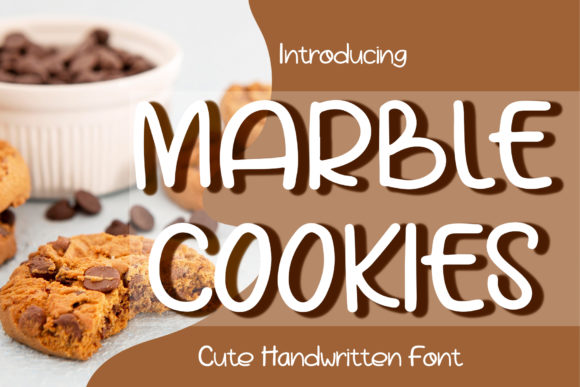
At its core, Marble Cookies is a digital font designed to emulate the look of casual, friendly handwriting. Unlike rigid serif or sans-serif fonts, its characters flow with a natural, slightly uneven rhythm, mimicking the imperfections of pen-on-paper. This deliberate design choice creates an immediate sense of approachability and charm. The font's name itself evokes a sense of playful, homemade delight—like the marbled patterns in a cookie or a cherished handwritten note. Its significance lies in its ability to bridge the gap between digital efficiency and analog warmth, a quality increasingly sought after in our technology-driven communication.
Key Characteristics of the Marble Cookies Typeface
To understand its practical relevance, let's break down its defining features:
- Natural Stroke Variation: Letters have subtle weight changes, much like real handwriting where pressure isn't perfectly consistent.
- Playful Letterforms: The design includes gentle curves and informal shapes, avoiding the strict geometry of standard fonts.
- Excellent Legibility: Despite its artistic flair, it remains clear and easy to read, which is crucial for any functional design.
- Versatile Weight: It typically comes as a single, well-balanced weight, making it simple to use without complicated font family management.
A common misunderstanding about handwritten fonts is that they are only for "fun" projects and lack professionalism. While they may not suit a formal corporate report, fonts like Marble Cookies carry a powerful professional value in contexts where building emotional connection and trust is key, such as branding for boutique businesses, personal blogs, or creative agencies.
The Purpose and Power of Handwritten Fonts in Modern Design
Why do designers and creators seek out fonts like Marble Cookies? The purpose is multifaceted. Firstly, they serve to humanize digital content. In an age of automated emails and AI-generated text, a handwritten font injects personality, suggesting care and individual attention. Secondly, they establish tone. Marble Cookies, with its friendly and slightly nostalgic vibe, instantly sets a mood of warmth, creativity, and seasonal joy.
Fitting into Modern Life, Work, and Business
The application of Marble Cookies extends far beyond simple Christmas projects. Its relevance touches various aspects of modern life:
- Seasonal Marketing & Branding: Small businesses can use it for holiday sale posters, festive social media graphics, or special edition packaging to create a memorable, heartfelt customer experience.
- Personal & Educational Projects: Teachers might use it for engaging worksheet headers or classroom announcements. Individuals crafting digital scrapbooks, wedding invitations, or family newsletters find its personal touch invaluable.
- Creative Technology: In apps and websites focused on crafts, baking, or DIY hobbies, Marble Cookies can be the perfect UI font for headings, enhancing the thematic coherence and user engagement.
- Daily Creative Activities: Even for non-designers, using this font in simple tools like word processors or presentation software can elevate a personal recipe book, a holiday letter, or a birthday card.
Expanding Your Creativity: Practical Applications of Marble Cookies
Let’s explore concrete examples to help you understand how to naturally integrate this font into your work.
For Your Christmas and Seasonal Projects
As the font description suggests, it is perfect for Christmas projects. Imagine a holiday party invitation where the main title uses Marble Cookies. The font’s warmth conveys the spirit of gathering far more effectively than a cold, geometric font. Similarly, for designing custom gift tags, a festive countdown calendar for your blog, or headers for a seasonal recipe booklet, Marble Cookies provides that "handcrafted" feel digitally. But its use isn't limited to winter; think of spring festival announcements, autumn harvest market signage, or summer camp brochures—any seasonal project that benefits from a personal, joyful tone.
Beyond Seasons: Year-Round Creative Uses
To build a broader understanding, consider these non-seasonal applications:
- Branding for Creative Businesses: A local bakery, a craft store, or an independent illustrator could use Marble Cookies in their logo or marketing materials to visually communicate their handmade, artisanal values.
- Personal Blog or Website Headers: For bloggers writing about lifestyle, family, or crafts, using this font for the site title or post headings creates an instantly welcoming and relatable atmosphere.
- Children’s Content: Educational materials, storybook titles (in digital formats), or playful instructions benefit greatly from a font that feels friendly and approachable to young audiences.
An important note here is to use handwritten fonts strategically, not ubiquitously. Best practice is to employ Marble Cookies for headlines, titles, or key decorative elements, while pairing it with a clean, readable sans-serif font for body text. This ensures both personality and clarity.
Choosing and Using Marble Cookies Font: A Beginner-Friendly Guide
If you're new to using specialty fonts, the process is straightforward. Marble Cookies is typically available from popular digital font marketplaces. Once purchased or licensed, you install it on your computer like any other font. It then becomes accessible in your design software—from Adobe Creative Suite to simpler tools like Canva or even Microsoft Word.
Tips for Effective Implementation
- Mind the Context: Match the font's playful tone with an appropriate project. It might not be suitable for a legal document, but it’s ideal for anything requiring a personal touch.
- Pay Attention to Color: Handwritten fonts often pair well with warm, earthy, or pastel colors that enhance their organic feel. For Christmas, classic reds and greens work beautifully.
- Embrace White Space: Give your text using Marble Cookies plenty of room. Its unique shapes benefit from not being cramped, allowing its character to shine.
- Combine with Visual Elements: Integrate it with hand-drawn illustrations, watercolor backgrounds, or texture overlays to create a cohesive, handmade aesthetic.
The Broader Significance: Fonts as Tools for Emotional Design
Ultimately, exploring a font like Marble Cookies opens a door to a larger concept in design: emotional typography. Fonts are not merely vehicles for words; they are powerful tools that convey mood, build brand identity, and influence perception. In a competitive digital landscape, the ability to choose a font that resonates emotionally with your audience can be a significant advantage. Marble Cookies, in its simple, handwritten elegance, teaches us that sometimes the most advanced creative technology is used to recreate the simplest, most human experiences.
Whether you are a seasoned graphic designer, a small business owner, a teacher, or someone who simply enjoys adding beauty to daily tasks, incorporating a font with the charm and personality of Marble Cookies can expand your creative palette. It reminds us that in our projects—seasonal or otherwise—a touch of handwritten warmth can make all the difference, turning ordinary text into a memorable expression of care and creativity. So, next time you embark on a Christmas project or any endeavor calling for a personal voice, consider letting Marble Cookies write the first line.