The Craft of Connection: Happy Christmas Font and the Personal Touch in Digital Design
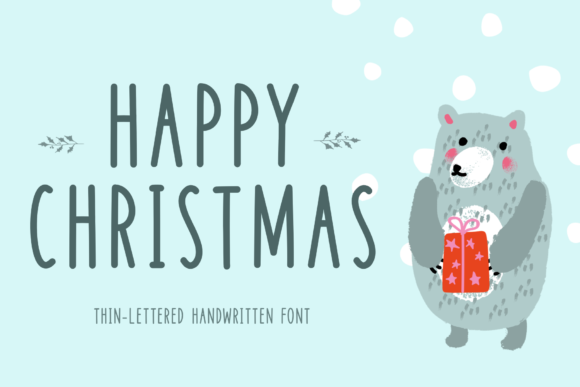
In a world saturated with sleek, geometric, and often impersonal digital typefaces, a resurgence of the handwritten aesthetic marks a significant shift. Designers, marketers, and creators are increasingly seeking tools that inject personality, warmth, and authentic human connection into their projects. Enter Happy Christmas, a thin-lettered handwritten font that embodies this movement. It is not merely a set of characters; it is a design instrument for crafting intimacy in a digital landscape.
Understanding Happy Christmas: More Than Just a Font
Happy Christmas is a distinctive typographic asset characterized by its delicate, thin letterforms that mimic the nuanced flow of casual handwriting. Its style evokes the feeling of a personal note, a thoughtful journal entry, or a carefully penned invitation. This aesthetic directly counters the cold precision of many standard system fonts, offering instead a visual tone of approachability and care. The font's name itself suggests its core application—holiday cheer—but its utility extends far beyond seasonal use. It is a versatile tool for any project where the goal is to communicate directly, personally, and with emotional resonance.
The Trend Landscape: Why Handwritten Fonts Are Resonating
The attention paid to fonts like Happy Christmas is rooted in broader industry and consumer trends. We are witnessing a hybridization of digital and analog experiences. Audiences, overwhelmed by templated digital communication, crave authenticity. In marketing, this manifests as a move towards brand humanization. In social media and content creation, it aligns with the popularity of "craft" visuals and the DIY aesthetic. Technologically, the accessibility of high-quality font libraries and design software empowers freelancers and small businesses to easily implement such specialized typography, making nuanced design choices previously reserved for larger agencies.
Changing preferences in workflows also underscore this relevance. The modern creator’s toolkit is integrated: a single project might span a digital invitation, social media graphics, and physical print items. A font like Happy Christmas provides consistency of tone across these mediums. Its handwritten nature bridges the gap between screen and print, ensuring a greeting card feels as personal as its digital announcement, and a planner design carries a sense of individual curation.
Practical Applications: Where Happy Christmas Adds Value
The utility of Happy Christmas is demonstrated through concrete, real-world applications. It transcends mere decoration to become a functional element of communication strategy.
- Invitations & Greeting Cards: Whether for a wedding, a boutique workshop, or a holiday card, this font immediately establishes a tone of exclusivity and personal attention. It signals that the event or message is crafted, not bulk-produced.
- Planners & Journals: In the booming market of productivity and wellness tools, design matters. Using Happy Christmas for section headers or quotes within a digital planner template or photo album lends a curated, motivational feel, enhancing the user's sense of engagement and ownership.
- Branding & Packaging for Small Businesses: A café, an artisan soap maker, or a freelance consultant can use this font on labels, website headers, or promotional materials to communicate a boutique, hands-on ethos. It visually tells the story of a personal touch.
- Social Media Graphics: For influencers, coaches, or creators, using handwritten fonts for quote posts, announcement overlays, or campaign highlights can significantly increase perceived authenticity and engagement.
- Decorations & Merchandise: From custom wall art to personalized t-shirt quotes, the font translates seamlessly into physical products, allowing creators to offer unique, design-conscious items.
The Larger Context: Typography as Emotional Interface
The relevance of Happy Christmas connects to larger developments in how we interact with technology. Design is increasingly understood as an emotional interface. The choice of typeface is no longer just about readability; it's about feel. In an age of AI-generated content and automated communication, elements that signal human origin become valuable differentiators. This font, and others in its genre, serve as a deliberate design choice to reclaim and assert humanity within digital spaces.
Furthermore, it aligns with the democratization of design. High-quality, niche fonts are now accessible assets. This allows entrepreneurs and freelancers to build sophisticated visual identities without massive budgets. Using a distinctive font like Happy Christmas can be a key part of a brand's visual vocabulary, helping it stand out in crowded marketplaces like Etsy, Instagram, or local retail.
Implementing Happy Christmas: Observations for Professionals
Successful use of Happy Christmas requires mindful application. Its thin letterforms demand consideration of contrast and background; it performs best against clean, simple backgrounds or with careful color pairing to ensure legibility. It is often most effective as an accent font—for headings, key quotes, or decorative elements—paired with a more robust sans-serif or serif font for body text. This combination balances personality with readability.
Observations from the field show that its impact is greatest when the content matches the tone. Using it for a heartfelt message, a creative workshop title, or a personal product line amplifies the message. Using it for dense, technical information would create dissonance. The font choice, therefore, becomes part of the content strategy itself.
Forward-Looking Utility: A Font for Intentional Connection
As digital experiences continue to evolve, the demand for design elements that foster genuine connection will only grow. Happy Christmas represents a category of typography that meets this demand. It is a practical, accessible tool for professionals, creators, and businesses aiming to infuse their work with a sense of personal craft and intentionality. It moves beyond trend to become a strategic asset for anyone looking to communicate not just information, but feeling and relationship. In the end, it reminds us that in design, sometimes the most advanced choice is the one that looks the most human.